Co-op
Trash Day co-op guide: how 1-6 player online multiplayer works, role splitting, revives and the teamwork stunts behind the trickiest achievements.
Introduction
Trash Day is designed from the ground up as an online co-op party game for one to six raccoons, and the entire experience changes with the size of your crew. A solo player can absolutely finish the run, but hauling a physics-driven wagon across six areas alone is genuinely punishing, because the same cart that one raccoon can barely nudge becomes a controllable vehicle once four or five players push together. Co-op here is not a bolt-on mode; it is the intended way to play, from the moment you break out of Animal Control as a group. Friends join through the game's online lobby, split naturally into loose roles, and turn every obstacle into a negotiation about who steers, who watches the rear wheels and who runs ahead to scout the next stretch of road.
Trash Day Co-op Role Reference
| Role | What They Do | Key Tips |
|---|---|---|
| Driver | Holds the steering push on the wagon and calls the line through obstacles. | Lead Keep your input steady and let others match your direction. |
| Spotter | Watches the front and calls hazards such as bear traps and traffic before contact. | Eyes Speak early and in short, clear directions. |
| Wheel Runner | Chases lost wheels and reattaches them while the wagon is still moving. | Repair Carry the spare and hold the attach input on the axle. |
| Loot Scout | Runs ahead into dumpsters and side paths to gather valuable items. | Economy Deposit often rather than hoarding a full load. |
| Medic | Revives downed teammates before the timer runs out. | Support Reviving three friends unlocks the Medic achievement. |
| Stunt Coordinator | Sets up seesaws, planks and bungee launches for the crew. | Party Count down out loud before every launch. |
Co-op Role Breakdown
Driver
The player who owns the steering input and becomes the crew's reference point for the wagon's direction.
Spotter
The forward-looking eyes of the crew, calling hazards before the wagon ever touches them.
Wheel Runner
The dedicated repair raccoon who chases runaway wheels and keeps the cart rolling through rough terrain.
Loot Scout
The raccoon who ranges ahead of the wagon in search of valuable trash and rare items.
Medic
The teammate who drops everything to bring a downed raccoon back into the run before the timer expires.
Stunt Coordinator
The crew's ringmaster, who sets up seesaws, planks and bungee launches for physics-driven spectacle.
Core Mechanics
Co-op in Trash Day works through a shared physics simulation rather than separate instances, so every player pushes, pulls and collides with the same wagon in real time. A single raccoon can grab a wheel or a plank, but moving the loaded cart demands stacked inputs: up to five players shoving in the same direction will shift it, while mismatched directions stall or tip it. Revives let a downed player rejoin quickly, and Medic tracks how many friends you have brought back. Communication is part of the mechanic set, because many stunts depend on simultaneous actions such as stacking on a teammate for Totem Pole or firing someone off a seesaw for Space Cadets. Matchmaking is PC-only through Steam, and the lobby supports the full range from one lonely raccoon to a six-player stampede, with the game scaling the chaos rather than the rules.
Advantages
The biggest strength of Trash Day's co-op is that failure is funny rather than frustrating, which keeps groups playing long after a level has gone wrong. Because the wagon is a shared ragdoll object, every player has something meaningful to do even when the cart is stuck: someone steers, someone repairs, someone scouts, someone revives. That division of labour means newcomers are never useless, since grabbing loot or spotting hazards is genuinely helpful from the first minute. Online sessions are easy to set up through the lobby, and the one-to-six range means the game scales from a quiet two-player run to a loud party night without changing rules. Communal stunts such as stacking, seesaw launches and pattycake give the crew reasons to interact beyond the wagon, turning downtime into its own entertainment.
Challenges
Co-op's weaknesses show up when players bring mismatched expectations. The game does not enforce roles, so a crew that never talks will constantly fight the wagon's physics, tipping it in opposite directions and blaming each other for wipes. Matchmaking is PC-only and tied to Steam friends and the in-game lobby, so console players are not an option and a full six-player group can be hard to assemble on short notice. Large lobbies also magnify chaos: with six raccoons shoving one cart, a single player running the wrong way can undo everyone's work. Revives depend on teammates reaching you in time, which means a lone player downed far from the group may simply bleed out and wait. Finally, the loose structure is unforgiving to solo players, who get the same wagon but none of the manpower.
Frequently Asked Questions
How many people can play Trash Day together, and can you play solo?+
How do roles work, and do I have to pick one?+
Is voice chat needed, and does the game have cross-play?+
Quick Tips
Assign jobs before the wagon starts moving, not after it tips over. A crew that begins each area with a quick verbal huddle, agreeing who drives, who spots hazards and who handles repairs, moves noticeably faster than one that improvises. The reason is mechanical: the wagon only responds well when pushing players share a direction, so an agreed driver gives everyone else a reference point to match. Wheel runners should already be carrying a spare and know which axle they cover, and a loot scout should know which side paths to sweep. It takes thirty seconds at the start of an area and saves many minutes of untangling a wagon that has been shoved in four directions at once.
Deposit loot early and often rather than hoarding a full load. The wagon's value is what raises your score, and an un-deposited item in a raccoon's paws is one bad fall away from being lost down a river or left behind when the area ends. Scouts should make regular trips back to the cart instead of exploring until their arms are full, and the crew should treat the wagon as a moving bank that everyone tops up. This habit also feeds value-threshold achievements such as High Value Target, because a crew that deposits constantly will naturally cross the required total without ever stopping to grind for it. Steady deposits beat heroic single hauls almost every time.
Protect your medic and keep revive routes open. Downed players can only rejoin if a teammate reaches them before the timer expires, so the raccoon carrying the Medic progress should never be the one sprinting ahead into unknown hazards alone. When someone goes down, the nearest player should peel off immediately and call out the location, while the rest hold the wagon steady instead of scattering to help. A calm, prioritized revive saves a run; a panicked stampede usually ends with two or three more raccoons down in the same trap. Keeping one player assigned to rear-guard duty during dangerous stretches ensures nobody is left stranded far from the group.
Turn the chaotic physics into a deliberate tool instead of just surviving it. Bungee cords and planks let a coordinated crew launch the wagon over traffic, bear traps or a river crossing that a straight push cannot clear, and seesaws turn a spare teammate into a projectile for stunt achievements. The trick is to pause, agree on the plan, and execute together rather than improvising mid-air. Designate one caller for the countdown, have everyone hold their position until the signal, and treat a failed attempt as information rather than a disaster. Groups that lean into the physics this way clear obstacles faster and generate the moments that make a co-op session memorable.
Featured

Trash Day How to Play With Friends: Multiplayer Setup
Set up Trash Day how to play with friends in minutes, from Steam invites to six-player online multiplayer lobbies and the best crew size for chaos.
Trash Day Co-op Roles: Best Squad Jobs for Every Run
Master Trash Day co-op roles from medic to haul pilot, with matchmaking tips and solo-vs-creed comparisons to find your ideal squad job.
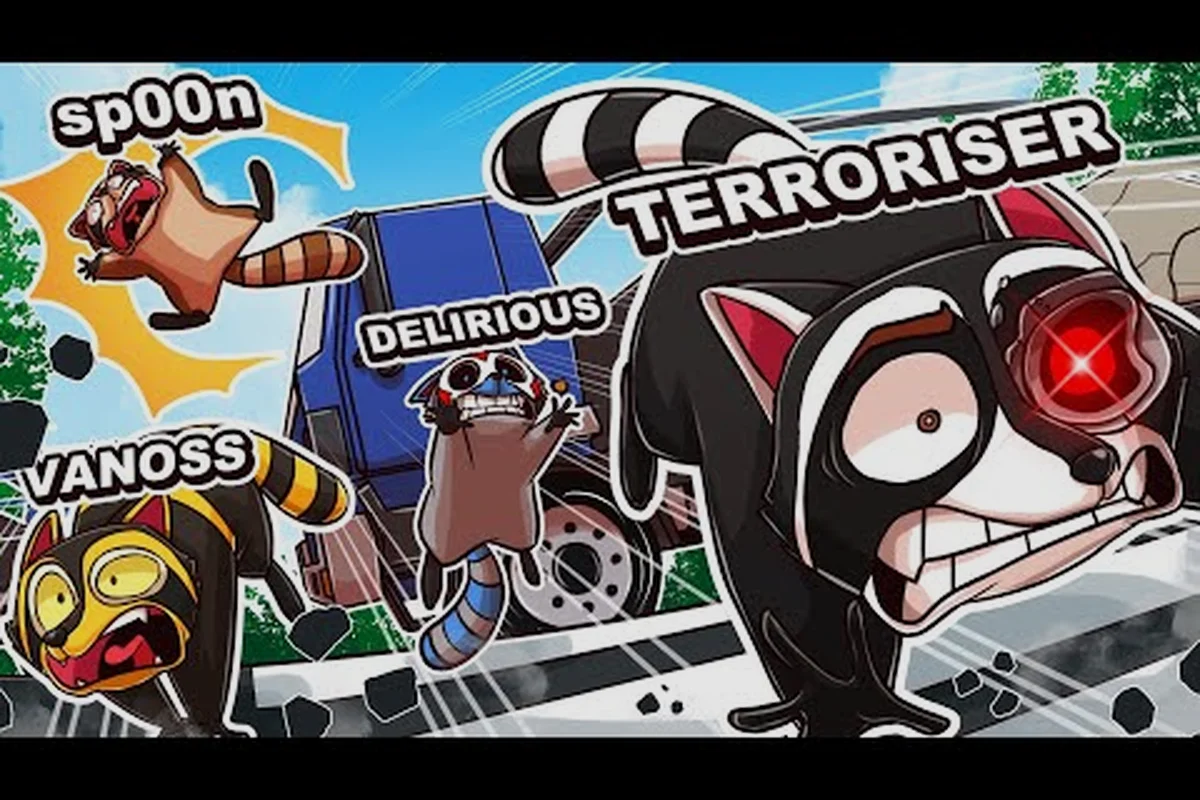
Trash Day Raccoon Squad: Build the Ultimate 6-Player Crew
Assemble the perfect Trash Day raccoon squad with tips on crew synergy, role picks, and stunts that turn six friends into one hauling machine.
All Articles
Trash Day Online Co-op: 6-Player Multiplayer Setup Guide
Get Trash Day online co-op running smoothly with setup steps for six friends, crossplay options, and lobby tips for every platform.
Trash Day Party Game Setup: Voice Chat, Lobby, and Host Roles
Host the perfect Trash Day party game night with voice chat setup, lobby join steps, host controls, and smart role splits so every raccoon pulls their weight.
Trash Day Teamwork Tips: Coordinate Your Crew Like a Pro
Sharpen your Trash Day teamwork tips with proven role splits, callouts, and sync tactics that keep the wagon rolling through every area.
Trash Day Co-op Not Working: Fix Lobby and Connection Issues
Solve Trash Day co-op not working headaches with fixes for private lobby invites, matchmaking drops, and Steam connection errors that block your crew.